


For many South Africans, pets are more than just animals. They are loved family members. Yet, finding a home that welcomes them can be a challenge. It’s a tough choice between a rental property and a pet.
Searching for a rental property with pets can be tough. Landlords might worry about damage or disruptions. But, with the right approach, finding pet-friendly accommodation is possible.
This guide aims to help understand the complexities of renting with pets in South Africa. It offers practical advice for both tenants and landlords.
Key Takeaways
- Understanding the rights and responsibilities of tenants and landlords regarding pets in rental properties.
- Strategies for tenants to find pet-friendly rentals.
- Guidance for landlords on creating pet-friendly policies.
- The importance of clear communication between tenants and landlords.
- Tips for maintaining a harmonious landlord-tenant relationship when pets are involved.
The Pet Owner’s Dilemma in South Africa
Pet owners in South Africa often face a tough choice. They must decide between their pets and a place to live. The housing market rarely considers the needs of pet owners, making it hard for them to find a home.
Current Housing Statistics for Pet Owners
Many South Africans own pets, with dogs being the most popular. Yet, finding rentals that allow pets is hard. Only a small part of the listed properties welcome pets, according to property websites and estate agents.
| City | Percentage of Pet-Friendly Rentals |
|---|---|
| Cape Town | 12% |
| Johannesburg | 9% |
| Durban | 11% |
The Emotional Impact of Housing Restrictions
Not being able to find pet-friendly housing deeply affects pet owners. The bond between a pet and its owner is deep. Being forced to choose between a home and a pet causes great distress. One pet owner said, “It’s heartbreaking to think that I might have to give up my dog because I can’t find a rental that allows pets.”
“Pets are not just animals, they are family members. Housing policies should reflect this understanding.”
Why You Shouldn’t Have to Choose Between Pets and Housing
In a society where pets are seen as family, it’s unfair to make pet owners choose. Pet-friendly housing is not just a convenience; it’s a necessity for many. The lack of pet-friendly rentals can lead to pets being abandoned or sent to shelters. This can be prevented with more inclusive housing policies.
Understanding the challenges pet owners face and the need for pet-friendly housing helps. We can work towards a more inclusive housing market in South Africa.
Understanding Why Landlords Resist Pets
Landlords in South Africa often don’t want pets in their properties. They worry about damage, noise, insurance, and cultural issues. These concerns are big reasons why they say no to pets.
Property Damage Concerns
Landlords fear pets might damage their property. This includes scratched floors, torn carpets, and chewed furniture. To ease these worries, tenants can offer to pay a pet deposit or get extra insurance.
Here are some ways to reduce damage:
- Paying an extra pet deposit
- Providing professional pet references
- Agreeing to regular property checks
Noise and Neighbour Complaints
Pets can make noise, which bothers neighbours. To fix this, owners can train their pets to bark less. They can also show proof of their pet’s good behaviour.
- Investing in pet training
- Using noise-reducing items like acoustic panels
- Writing a promise to handle any noise issues
Insurance and Liability Issues
Landlords worry about being sued if a pet hurts someone or damages a neighbour’s property. Pet owners can get liability insurance to cover these risks.
Here’s a table comparing insurance options:
| Insurance Provider | Pet Liability Coverage | Additional Benefits |
|---|---|---|
| ABC Insurance | Up to R100,000 | 24/7 Support |
| XYZ Insurance | Up to R500,000 | Free Pet Behaviour Consultations |
Cultural Attitudes Towards Pets in Properties
How people view pets also matters. In some places, pets are part of the family. In others, they’re seen as a problem. Knowing these views can help pet owners find pet-friendly homes.
By understanding these points and taking action, pet owners can find homes in South Africa that welcome pets.
Body Corporate Rules and Sectional Title Restrictions
In South Africa, knowing body corporate rules is vital for pet owners looking for housing. Many sectional titles ban pets unless the trustees agree.
Common Pet Policies in South African Complexes
Rules about pets differ a lot in South Africa. Here are some common ones:
- Some complexes ban pets altogether.
- Others allow certain breeds or sizes.
- You might need permission from the body corporate or trustees.
- There could be extra fees or deposits for pet owners.
Andrew Ferguson, a property law expert, says, “The rules on pets in sectional titles are set by the body corporate. Buyers or renters need to know these rules before they decide.”
How to Navigate Body Corporate Regulations
To deal with body corporate rules, you need to understand them well. Sometimes, you might need to talk to the body corporate or trustees. Here’s how to do it:
- Check the complex’s rules and bylaws about pets.
- Get permission from the body corporate or trustees if needed.
- Be ready to talk about your pet, like its breed and size.
- Think about paying a pet deposit or signing a pet agreement.
A recent case shows how important it is to follow body corporate rules about pets.
“The Ombud’s decision in the matter of Van Wyk v The Sectional Title Scheme highlights the need to know and follow body corporate rules about pets.”
Challenging Unreasonable Pet Restrictions
If you face unfair pet rules, you can take action:
- Look at the body corporate’s rules to see why the restriction is there.
- Talk to the body corporate or trustees about your worries.
- Try mediation or get legal advice if you need to.
It’s also important to know about local and legal rules. Knowing about pet limits, registration, and bylaws helps a lot. As pet-friendly rentals in South Africa grow, being informed is key to finding the right home for you and your pet.
Finding Pet-Friendly Housing and Rentals in South Africa
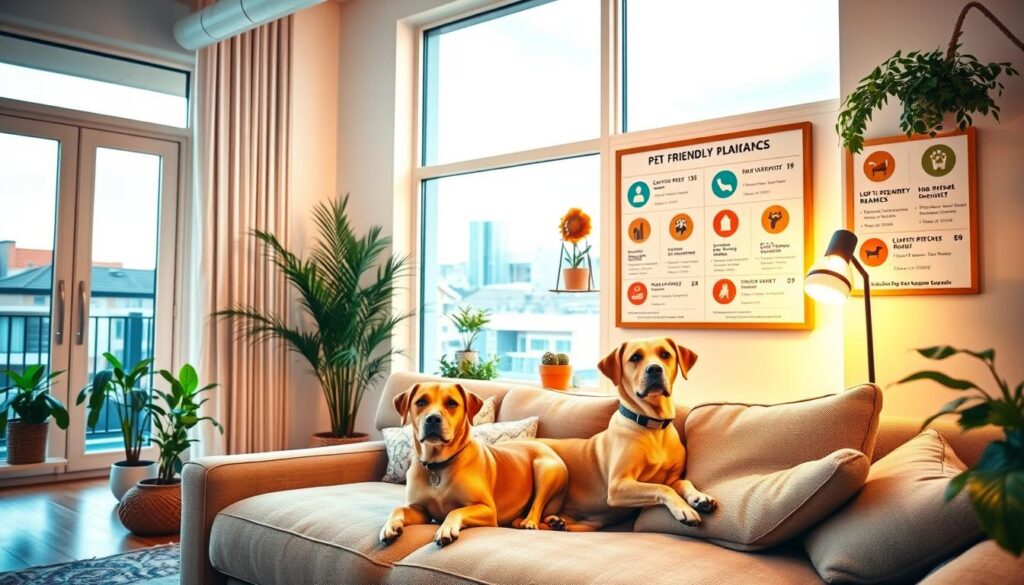
Finding a home that welcomes pets in South Africa can be tough. But, with the right approach, it’s doable. Many resources are out there to help you find a pet-friendly home.
Property Portals and Search Strategies
Start by using property portals like Property24 and Private Property. They have filters for pet-friendly homes. Make sure to use keywords like “pet-friendly” to find the right homes.
Here are some tips to improve your search:
- Use various search terms and filters to refine your search.
- Double-check the property description or ask the agent about pet policies.
- Look for homes described as “pet-friendly” or “allows pets.”
Estate Agents Specialising in Pet-Friendly Properties
Working with agents who know pet-friendly homes can make your search easier. They understand the market and can help with negotiations.
Some agencies in South Africa have pet-friendly sections. Research these to find the right home for you.
Community Resources and Social Media Networks
Joining pet owner groups or social media can be very helpful. These platforms let you share tips and find rentals. Facebook Groups and local forums are great places to start.
“Joining a community of fellow pet owners has been a game-changer for me. We’ve shared tips on pet-friendly rentals and even found homes for our pets when we’re away.” – Sarah, proud dog owner
Neighbourhoods Known for Pet-Friendly Accommodation
Some areas in South Africa are more pet-friendly than others. Look for places with lots of green spaces. In Johannesburg, Melville and Parktown North are good for pets.
| City | Pet-Friendly Neighbourhoods |
|---|---|
| Cape Town | Claremont, Kenilworth |
| Johannesburg | Melville, Parktown North |
| Durban | Umhlanga, La Lucia |
By using these resources and strategies, you can find the perfect pet-friendly home in South Africa. Remember, keep trying and gather all the information you can.
Legal Framework for Pets in South African Housing
Understanding the legal rules for pets in South African homes is key. Pet owners need to know their rights and the rules for different pets and homes.
Municipal Bylaws in Major Cities
In cities like Cape Town, Johannesburg, and Durban, the rules for pets vary. For example, Cape Town has rules for pets in homes. These include needing a license and limits on how many pets you can have.
Key Bylaws to Consider:
- Licensing requirements for pets
- Restrictions on the number of pets per household
- Regulations regarding noise and nuisance caused by pets
Pet Registration Requirements by Province
The rules for registering pets change by province. In the Western Cape, for instance, you must register your pet. You’ll need to give details like the pet’s breed, age, and whether it’s been vaccinated.
| Province | Registration Requirement | Additional Comments |
|---|---|---|
| Western Cape | Mandatory registration with the local authority | Requires vaccination records and pet details |
| Gauteng | Registration is recommended but not mandatory | Some municipalities may have specific bylaws |
| KwaZulu-Natal | Registration is required for certain breeds | Specific regulations for dangerous breeds |
Property Limits and Restrictions for Different Animals
Each pet type has its own rules for homes. For example, homes with pools need special fencing to keep pets safe.
The South African Bureau of Standards requires private swimming pools to be enclosed by a childproof fence, which also serves to protect pets.
Understanding Your Rights as a Pet Owner
As a pet owner in South Africa, knowing your rights is vital. This includes fighting unfair pet rules and dealing with rules in shared homes.
Key Rights to Know:
- The right to challenge unreasonable pet restrictions
- Understanding body corporate rules in sectional title schemes
- Knowing how to register complaints or concerns
Preparing Your Pet for Rental Living

Living in a rental with pets needs careful planning. It’s important to make sure your pet is well-behaved and settled. This is key for a good rental experience, pet-friendly rentals South Africa included.
Essential Training for Apartment-Dwelling Pets
Training your pet is vital for living well in a rental. You’ll need to teach housebreaking, basic commands, and crate training if needed. Dogs need regular exercise and mental games to avoid bad behaviour.
Think about pet obedience classes or a professional trainer for any issues. This improves your pet’s behaviour and shows landlords you’re a responsible owner.
Grooming and Maintenance Routines
Regular grooming keeps your pet healthy and your home clean. This means baths, nail trims, and brushing to stop matting.
| Pet Type | Grooming Needs | Frequency |
|---|---|---|
| Dogs | Bathing, nail trimming | Monthly |
| Cats | Brushing, nail trimming | Weekly |
Socialisation with Neighbours and Other Animals
It’s important to socialise your pet with others. Start by introducing them slowly and carefully to new people and animals.
Joining pet groups or attending pet-friendly events helps too. A well-socialised pet is less likely to disturb others or act aggressively.
Managing Barking and Noise Issues
For dog owners, controlling barking is key. Teach your dog to be quiet and give them enough exercise and mental games. This helps reduce barking.
All pets should be mindful of noise, which is more important in apartments. Provide a quiet area for your pet or use white noise machines to keep noise down.
By following these tips, you can increase your chances of finding rentals that allow pets. You’ll also keep a happy and peaceful home for you and your pet.
Creating a Compelling Pet Application
Getting a pet-friendly rental in South Africa is not just about a good rental history. You need a strong pet application. Showcasing your pet in a good light can really help you find pet-friendly accommodation in South Africa.
Developing a Professional Pet CV
A professional pet CV is key to your application. It should list your pet’s breed, age, health, and personality. Mention any good traits and training they’ve had.
“A well-made pet CV can make or break your rental application,” says a top estate agent in Cape Town. “It’s about showing your pet’s good side and proving they won’t be a problem.”
Gathering Reference Letters from Previous Landlords
Reference letters from past landlords are very helpful. They give insight into your pet’s behaviour and any issues they’ve caused. Include details about any damage and how you fixed it.
Being open about any problems and showing you’re responsible can win trust from landlords.
Creating an Appealing Pet Introduction Package
Your pet introduction package should be more than just a CV and letters. Add photos, vaccination records, and a personal statement from you. This statement should promise that your pet won’t disturb neighbours or damage the property.
With a detailed pet application, you’re more likely to find pet-friendly housing and rentals in South Africa. The aim is to show your pet is well-behaved and will be a good addition to the property.
Financial Considerations for Pet-Friendly Rentals
Looking for a pet-friendly home in South Africa? There are several financial things to think about. Knowing these costs helps with budgeting and makes renting smoother.
Pet Deposits and How They Work in South Africa
In South Africa, landlords often ask for a pet deposit. This is to cover any damage pets might do. The deposit is usually given back if the place is in good shape when you leave. The amount can be between one to two months’ rent.
Key Points to Consider:
- The deposit amount can be discussed; some landlords might charge more for certain pets.
- It’s important to take photos and notes of the property before moving in. This helps avoid arguments when you leave.
- Know the rules for getting your deposit back.
Additional Rent Premiums for Pets
Some landlords ask for extra money each month for pet-friendly homes. This extra money is to cover the risks of having pets.
Factors Influencing Premiums:
- The type and size of the pet.
- The pet’s breed, if it’s a specific one.
- The landlord’s insurance needs.
Insurance Options for South African Pet Owners
Pet insurance can help with unexpected vet bills and damage to rental homes. In South Africa, many insurance companies offer pet insurance.
| Insurance Provider | Coverage | Premium Range |
|---|---|---|
| Absa Pet Insurance | Accidental damage, veterinary expenses | R150 – R500 per month |
| PetPlan | Veterinary fees, third-party liability | R200 – R600 per month |
| Sanlam Pet Insurance | Accidental damage, veterinary expenses, theft | R180 – R550 per month |
Budgeting for Pet-Friendly Properties
To budget well for a pet-friendly rental, think about all costs. This includes rent, deposits, extra fees, and insurance.
Understanding and planning for these costs helps pet owners have a worry-free rental experience in South Africa.
Negotiating with Landlords and Body Corporates
For pet owners in South Africa, negotiating with landlords and body corporates is key. The right strategies can lead to agreements that work for everyone. This means finding a balance that suits both sides.
Effective Communication Strategies
Good communication is the basis of successful talks. Pet owners should talk about their pet’s good behaviour and offer references. They should also explain how they’ll handle any problems.
Using positive language and showing a team spirit can help a lot. It makes the negotiation smoother.
Understanding the other side’s worries is also important. By tackling these concerns head-on, pet owners can build trust. This makes the negotiation process easier.
Proposing a Trial Period with Evaluation
Proposing a trial period is a smart move. It lets the landlord or body corporate see how the pet affects the property. This way, they can decide later if it’s okay.
During the trial, pet owners should keep the landlord updated. This shows they’re serious about being good pet owners.
Offering Property Modifications and Protections
Pet owners can ease worries by suggesting property modifications or extra protections. For example, they could put in pet-friendly flooring or agree to regular checks.
By taking these steps, pet owners show they’re responsible. This helps keep the relationship with the landlord positive.
Creating a Comprehensive Pet Agreement
A detailed pet agreement is very helpful. It clearly states what’s expected of both sides. This includes pet care, noise, and property upkeep.
Having such an agreement helps avoid misunderstandings. It ensures everyone knows their duties.
Alternative Housing Solutions for Pet Owners
Pet owners in South Africa often face challenges finding pet-friendly homes. They need to look into other housing options that meet their needs and their pets’ needs.
House Sharing with Other Pet Owners
House sharing with other pet owners is a good choice. It helps split the cost and creates a community for pets and owners.
This option is great because it makes pet-friendly housing more affordable. It also means shared responsibilities and costs.
Temporary Pet Boarding Options in South Africa
For those in temporary housing crises, pet boarding is a safe place for pets.
South Africa has many pet boarding facilities. They range from luxury to more affordable options.
| Facility Type | Services Offered | Average Cost |
|---|---|---|
| Luxury Boarding | Grooming, Exercise, and Socialisation | R500 per night |
| Standard Boarding | Basic Care and Accommodation | R200 per night |
Foster Networks During Housing Transitions
Foster networks are key during housing changes. They provide temporary care for pets while owners find new homes.
These networks are very helpful. They ensure pets are well looked after during uncertain times.
Pet-Friendly Short-Term Accommodation
Platforms like Airbnb offer pet-friendly short-term stays. These include entire homes that welcome pets.
In Johannesburg, Airbnb has many pet-friendly homes. This gives pet owners more options for temporary stays.
Exploring these alternatives helps pet owners in South Africa. They find more housing options that welcome pets, easing the search for both owners and pets.
Conclusion: Creating a Pet-Inclusive Housing Future
Pet owners in South Africa shouldn’t have to choose between their pets and a home. Understanding pet-friendly housing helps them find the right place. This way, they can confidently look for rentals.
Finding pet-friendly homes in South Africa takes effort and knowledge of the market. With the right strategy, pet owners can find homes that suit them and their pets.
Being a responsible pet owner is vital for a good rental experience. Following rules and ensuring pets are well-behaved shows respect for others. This makes for a better living environment for everyone.
As more people want pet-friendly homes, landlords and property managers need to change. Working together, we can make housing more welcoming to pets. This way, pets become part of the community.
The aim is to make South Africa more welcoming to pets. This means finding homes that fit both people and pets. With support and responsible pet care, this dream can come true.